
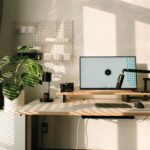

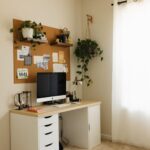

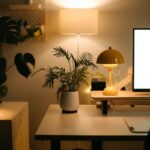
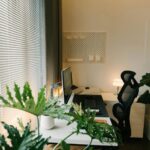


Creating a productive home office environment is essential for anyone working from home. Whether you’re a remote employee, a freelancer, or running a small business, having a workspace that supports focus and efficiency can greatly impact your success and well-being. In this post, we’ll explore practical tips to help you design a home office that enhances your productivity.
Why a Productive Home Office Matters
Working from home offers flexibility, but it also comes with unique challenges like distractions and lack of structure. A well-thought-out workspace helps establish routine, minimize interruptions, and improve motivation. When your home office is comfortable and organized, you’ll find it easier to stay on track and produce your best work.
Choosing the Right Location
Find a Dedicated Space
Choose a quiet area of your home specifically for work. This helps create a mental boundary between personal and professional life. If possible, avoid working from places like the couch or bed, which can reduce focus and comfort.
Consider Natural Light and Ventilation
Position your desk near a window to benefit from natural light, which can improve mood and reduce eye strain. Good airflow and fresh air contribute to alertness, so a well-ventilated room is ideal.
Optimizing Your Desk Setup
Comfortable Chair and Desk
Invest in an ergonomic chair that supports good posture and a desk at a comfortable height. Comfort prevents pain and fatigue during long work sessions.
Organize Your Essentials
Keep commonly used tools like your computer, phone, notepad, and pens within easy reach. Use organizers or drawers to reduce clutter.
Use Multiple Monitors if Needed
If your work involves multitasking or large spreadsheets, consider setting up more than one monitor. This can improve workflow and reduce the time spent switching between applications.
Minimizing Distractions
Set Boundaries with Others
Communicate your work hours to family or housemates and ask for quiet during those times. Use a sign or indicator to show when you’re busy.
Control Noise Levels
Use noise-cancelling headphones or play ambient sounds to drown out distractions. Alternatively, some people find white noise or nature sounds helpful for concentration.
Limit Digital Interruptions
Turn off non-essential notifications on your phone and computer. Consider using apps that block distracting websites during work hours.
Lighting and Ambience
Use Task Lighting
In addition to natural light, have a desk lamp with adjustable brightness. This helps reduce eye strain when natural light is insufficient, especially in the evening.
Personalize Your Space
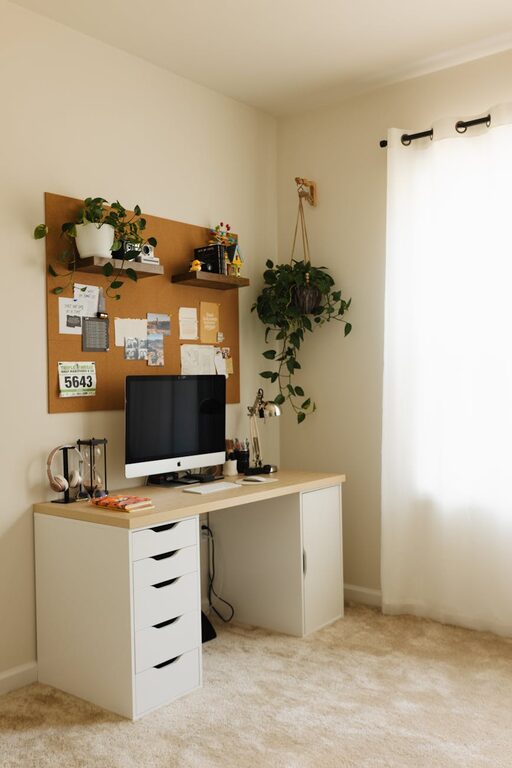
Add plants, artwork, or other decor that inspires you. A pleasant environment can boost creativity and mood.
Time Management Tools and Habits
Plan Your Day
Use a planner or digital calendar to schedule tasks and breaks. Having a clear plan helps maintain focus and prevents procrastination.
Take Regular Breaks
Follow techniques like the Pomodoro method (25 minutes of work followed by a 5-minute break) to sustain concentration and avoid burnout.
Set Realistic Goals
Break projects into smaller tasks and set achievable daily goals. This creates a sense of progress and keeps you motivated.
Maintaining Organization
Declutter Regularly
Spend a few minutes at the end of each day tidying your workspace. A clean desk helps reduce stress and makes it easier to start fresh the next day.
Use Storage Solutions
Shelves, filing cabinets, or storage boxes keep documents and supplies neatly stored and easy to find.
Technical Setup
Reliable Internet Connection
Ensure your internet connection is stable and fast enough to support your work tasks like video calls, uploading files, or online research.
Backup Your Work
Use cloud storage or external drives to back up important files regularly. This protects you from data loss due to technical issues.
Keep Equipment Updated
Regularly update your software and hardware to avoid slowdowns and security risks.
Final Thoughts
Creating a productive home office environment doesn’t require a large budget or a dedicated room. Small changes like organizing your desk, improving lighting, and setting boundaries can make a significant difference. Remember, the goal is to craft a space where you feel comfortable, motivated, and focused. With these tips, you’ll be well on your way to a more efficient and enjoyable work-from-home experience.