
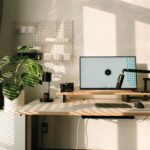

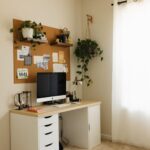
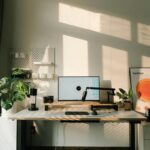
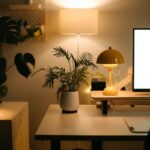
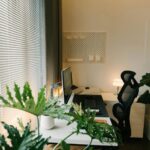

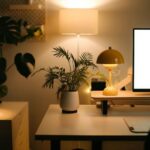

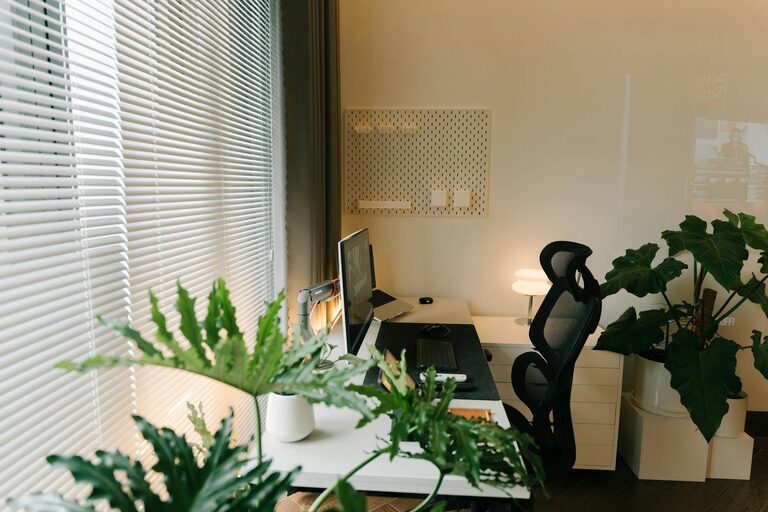
Creating a relaxing home workspace is essential for maintaining focus, reducing stress, and improving overall well-being. Whether you’re working remotely full-time or occasionally from home, an inviting and calming environment can make a big difference in your daily productivity and mood. In this post, we’ll explore practical tips for designing a home office that supports both efficiency and comfort.
Why a Relaxing Workspace Matters
When your workspace feels cluttered, uncomfortable, or uninspiring, it can increase stress levels and reduce motivation. On the other hand, a thoughtfully arranged space promotes calmness, helps you stay organized, and makes it easier to concentrate on your tasks. Prioritizing comfort and relaxation in your home office isn’t a luxury—it’s an investment in your professional success and mental health.
Choose the Right Location
Selecting a suitable spot in your home sets the foundation for a relaxing workspace. Here are some factors to consider:
– Natural light: Aim for a space near a window to maximize natural daylight, which can help regulate your body clock and boost mood.
– Quiet environment: Pick a quiet area where you can work without distractions or frequent interruptions.
– Separate space: Whenever possible, create a dedicated area just for work. This helps your brain switch into “work mode” and improves focus.
Focus on Comfort and Ergonomics
Spending long hours at a desk requires a setup that supports your body comfortably. Poor posture can lead to fatigue and discomfort, impacting your productivity.
– Ergonomic chair: Invest in a supportive chair that encourages good posture. Adjustable height and lumbar support are key features.
– Desk height: Your desk should allow you to keep your forearms parallel to the floor while typing.
– Monitor placement: Position your computer screen at eye level and about an arm’s length away to reduce neck strain.
– Footrest: If your feet don’t touch the floor comfortably, use a footrest to maintain good posture.
Keep Your Space Organized
A cluttered workspace can increase stress and distract you from your work. Keeping your area neat helps create a calming atmosphere.
– Declutter regularly: Remove items you don’t need and keep only essential tools within reach.
– Use storage solutions: Shelves, filing cabinets, and drawer organizers keep paperwork and supplies tidy.
– Cable management: Secure cords and cables with clips or sleeves to prevent tangling and maintain a clean look.
Personalize Mindfully
Adding personal touches can make your workspace more inviting, but balance is important so it doesn’t become a distraction.
– Plants: Greenery adds life to your space and may improve air quality. Choose low-maintenance plants if you don’t have a green thumb.
– Art and decor: Display images or items that inspire you, such as motivational quotes or artwork.
– Lighting: Use soft, adjustable lighting options like a desk lamp to create a warm ambiance without harsh glare.
Incorporate Relaxation Techniques
Including elements that promote relaxation can help you recharge during breaks and keep stress at bay.
– Aromatherapy: Essential oils like lavender or citrus can create a calming atmosphere. Use a diffuser or scented candles safely.
– Comfort items: A cozy blanket or cushioned seat pad adds comfort and helps you feel more relaxed.
– Break reminders: Set timers to take short breaks for stretching, deep breathing, or a quick walk.
Optimize Technology
Technology should support your work, not hinder it. Keeping devices organized and updated improves efficiency.
– Reliable internet connection: Ensure your Wi-Fi is strong to avoid frustrating interruptions.
– Noise-cancelling headphones: These can block out background noise during calls or focused work sessions.
– Simplify gadgets: Limit unnecessary devices on your desk to reduce distractions.
Maintain a Healthy Work Routine
A relaxing workspace goes hand in hand with healthy work habits.
– Set clear boundaries: Define your work hours and stick to them to avoid burnout.
– Take regular breaks: Step away from your desk every hour to stretch and rest your eyes.
– Stay hydrated and nourished: Keep a water bottle nearby and take breaks for healthy snacks or meals.
—
By investing time and thought into creating a relaxing home workspace, you can enhance both your productivity and your well-being. The right environment not only helps you focus but also supports your mental and physical health. Use these tips as a guide to design a space where you enjoy working and feel your best every day.