
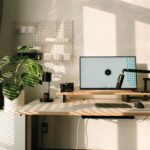

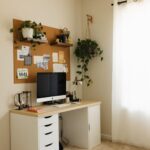





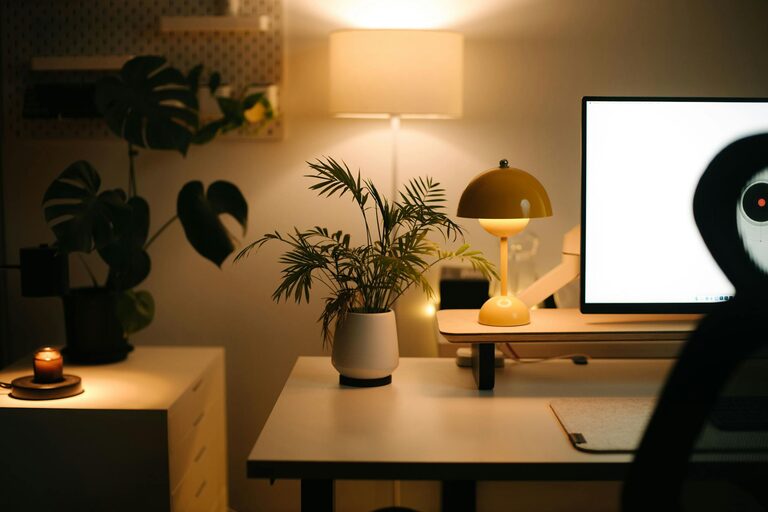
Creating a comfortable and productive home office space is essential for anyone working remotely or managing tasks at home. A well-designed workspace can improve focus, efficiency, and overall well-being. If you’re looking to optimize your home office, these tips can help you create an environment that supports both comfort and productivity.
Choose the Right Location
Consider Natural Light and Noise Levels
Selecting the right spot in your home for a workspace is the first step. Ideally, look for a quiet corner or room with plenty of natural light. Natural light helps reduce eye strain and can elevate your mood, while a quieter space minimizes distractions.
Think About Space and Privacy
Ensure there is enough room for your desk, chair, and any accessories you need. If possible, pick an area where family members or roommates won’t frequently interrupt you. Privacy supports concentration, especially during calls or video conferences.
Invest in a Comfortable Chair and Desk
Ergonomics Matter
A good chair with proper lumbar support keeps your back comfortable and helps prevent posture-related pain. Adjustable chairs allow you to customize height and tilt, making long work hours more comfortable.
Choose a Desk That Fits Your Needs
Select a desk that fits your space and offers enough surface area for your computer, documents, and other essentials. Standing desks or adjustable desks can also be great choices if you want to alternate between sitting and standing.
Organize Your Workspace
Declutter Regularly
A clutter-free desk supports focus and reduces stress. Keep only the items you need daily on your desk, and store the rest in drawers or shelves.
Use Storage Solutions
Utilize organizers, filing systems, and cable management tools. These help keep your workspace tidy and ensure everything has its place, making it easier to find what you need quickly.
Optimize Lighting
Combine Natural and Artificial Light
While natural light is ideal, supplement it with a good desk lamp to avoid eye strain, especially if you work early in the morning or late at night.
Choose the Right Bulb
Use bulbs that mimic daylight, with a color temperature around 5000K. This type of lighting helps keep you alert and reduces fatigue.
Personalize Your Space
Add Inspiring Elements
Incorporate items that motivate you, such as artwork, plants, or personal photos. These touches make the space more inviting and can boost creativity.
Keep It Functional
Avoid overcrowding your desk with personal items that might distract you. Aim for a balance between a welcoming environment and a professional workspace.
Manage Technology Efficiently
Invest in Quality Equipment
A reliable computer, fast internet connection, and good peripherals (keyboard, mouse, headphones) improve your efficiency and reduce frustrations.
Keep Cables Organized
Use cable clips, sleeves, or boxes to manage cords and prevent tangles. A neat workspace helps keep your focus on tasks instead of distractions.
Establish a Routine and Boundaries
Set Work Hours
Define specific start and end times to help separate work from personal life, especially if your home office is in a shared space.
Communicate Your Schedule
Let family or roommates know your working hours to minimize interruptions during important tasks or meetings.
Take Breaks and Move Regularly
Sitting for long periods can affect your health and concentration. Make it a habit to stand, stretch, or take short walks every hour. Movement increases blood flow and rejuvenates your mind.
Keep Air Quality and Temperature Comfortable
Ensure your workspace has good ventilation. If possible, open windows for fresh air or use an air purifier. Also, maintain a comfortable temperature with fans or heaters as needed to avoid discomfort during work.
Final Thoughts
Designing an effective home office space involves careful planning and attention to comfort, organization, and personal preferences. By applying these tips, you can create a workspace that enhances your productivity while making your workday more enjoyable. Remember, a well-maintained home office not only supports your professional tasks but also contributes to your overall well-being.
Setting up your ideal home office may take some experimentation, so feel free to adjust your space until it feels right for you. With the right environment in place, you’ll be better equipped to focus, create, and succeed at work from the comfort of home.