


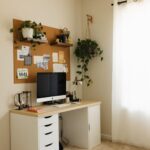






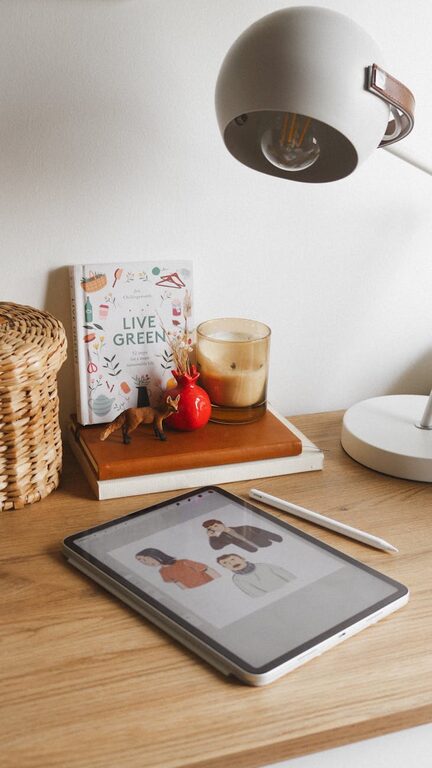
Creating a home workspace that is both sustainable and organized can significantly improve your daily productivity and overall comfort. Whether you work remotely full-time or occasionally need a quiet spot for focused tasks, a well-designed space can make all the difference. In this guide, we will explore actionable tips to help you design and maintain a workspace that supports your work while being environmentally responsible.
Why Sustainability and Organization Matter
Sustainability in your workspace means choosing materials and practices that minimize environmental impact, promoting longevity and responsible consumption. An organized workspace reduces clutter, saves time, and decreases stress, setting the stage for an efficient workflow. Together, these two elements can create a pleasant, healthy environment that encourages focus and creativity.
—
Choosing Eco-Friendly Furniture and Supplies
Opt for Sustainable Materials
Select furniture made from reclaimed wood, bamboo, or other renewable resources. These materials not only look warm and inviting but also reduce reliance on non-renewable sources.
Prioritize Durability
Invest in quality pieces that will last for years instead of cheap items that need frequent replacement. Durable products reduce waste and money spent over time.
Use Recycled and Recyclable Office Supplies
Choose recycled paper products, refillable pens, and other office essentials made from eco-friendly materials. This consideration helps minimize landfill waste.
—
Declutter and Organize Your Workspace
Start with a Clean Slate
Begin your organization process by clearing your desk and workspace completely. Sort through items, keeping only what you use regularly, and donate or recycle the rest.
Use Storage Solutions Wisely
Incorporate shelves, drawers, bins, or organizers that help keep items tidy without overcrowding your desk. Label containers to make it easier to find what you need quickly.
Digitalize Where Possible
Cut down on paper clutter by scanning documents and storing files digitally. Use cloud storage to maintain access across devices, reducing the need for physical filing cabinets.
—
Enhance Comfort with Ergonomic Design
Invest in an Ergonomic Chair
A chair that supports your posture prevents discomfort and long-term health issues. Adjustable seats, lumbar support, and breathable fabrics are features to look for.
Position Your Desk Correctly
Place your desk so that natural light enhances the room without causing glare on your screen. Ideally, your monitor should be at eye level and about an arm’s length away.
Incorporate Footrests and Wrist Supports
Small additions like footrests and wrist cushions can improve your sitting posture and lessen strain during long work sessions.
—
Incorporate Green Elements
Add Indoor Plants
Plants purify the air and boost your mood, making your workspace feel fresher and more inviting. Some low-maintenance options include snake plants, pothos, or succulents.
Use Natural Lighting Whenever Possible
Maximize daylight to reduce the need for artificial lighting. If you work in the evening, choose energy-efficient bulbs that mimic natural light.
—
Maintain Your Workspace Sustainability and Organization
Establish Daily and Weekly Habits
Schedule a few minutes at the end of each day to tidy your desk and organize materials. Weekly reviews help prevent clutter buildup and keep your system working smoothly.
Reduce Energy Consumption
Turn off electronics when not in use, unplug chargers, and use power strips to manage devices efficiently.
Reevaluate Regularly
Check your setup periodically. Update or replace items thoughtfully rather than impulsively, maintaining focus on sustainability and functionality.
—
Additional Productivity Boosters
Personalize Your Space Mindfully
Decorate with meaningful items that inspire you but avoid excessive decor that can distract.
Use Sound Management Techniques
Consider noise-cancelling headphones or white noise apps if external sounds disrupt your concentration.
Take Regular Breaks
Optimize your work rhythm with short, frequent breaks to stay energized and maintain focus.
—
Conclusion
A sustainable and organized home workspace positively impacts your productivity and well-being. By selecting eco-friendly furniture, decluttering effectively, prioritizing ergonomic comfort, and incorporating green elements, you create an environment that supports both your work and the planet. Maintaining regular habits around organization and energy use ensures your workspace remains a pleasant and efficient place to be. With these tips, you’re well on your way to enjoying a home office setup that motivates and comforts you every day.