


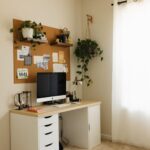






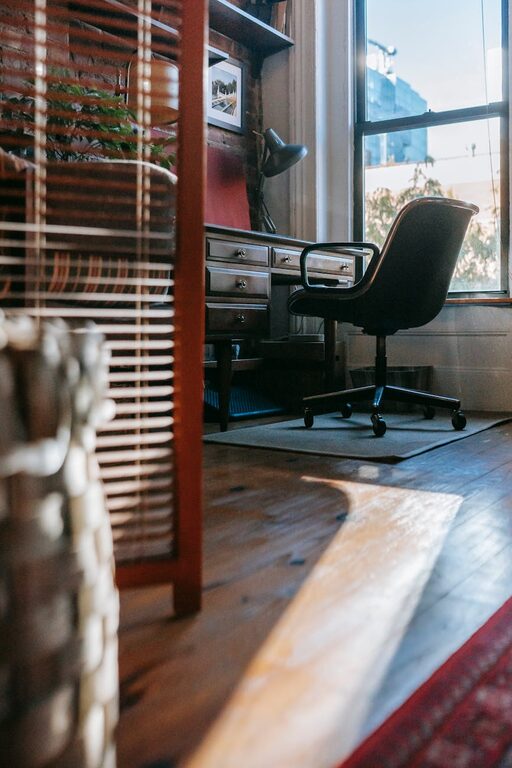
Creating a home workspace that feels cozy and inviting is more important than ever. Whether you work remotely full-time or occasionally bring tasks home, the environment around you can significantly impact your focus, creativity, and overall well-being. A welcoming workspace encourages productivity while making your daily routine more enjoyable.
In this post, we’ll explore tips for designing a comfortable, personalized workspace that feels like a retreat, not just a place to get work done.
Why a Cozy Workspace Matters
Your workspace affects both your mood and your effectiveness. A cluttered, uninspiring setup can increase stress and decrease motivation. Conversely, a well-organized, pleasant workspace can make you more eager to start your day and sustain focus longer.
Comfort and aesthetics are essential – a cozy space doesn’t have to be large or elaborate. It’s about creating an environment that suits your style and needs.
Step 1: Choose the Right Location
– Natural light: Pick a spot near a window if possible. Exposure to natural light reduces eye strain and boosts mood.
– Quiet and private: Select a location with minimal distractions, away from high-traffic areas.
– Space for essentials: Make sure the area can fit your desk, chair, and any equipment you need comfortably.
Step 2: Invest in Comfortable Furniture
An inviting workspace starts with furniture that supports your body and fits your style.
– Ergonomic chair: Look for adjustable chairs with good lumbar support to protect your back during long hours.
– Desk size: Choose a desk large enough to accommodate your computer, writing materials, and other tools without crowding.
– Flexible options: Consider standing desks or adjustable workstations to change positions throughout the day.
Step 3: Personalize Your Workspace
Adding personal touches transforms a generic space into your own.
– Colors: Use colors that calm or inspire you. Soft blues and greens promote calm, while pops of yellow or orange can stimulate creativity.
– Artwork and photos: Hang prints or photos that make you smile or motivate you.
– Plants: Incorporate greenery to purify air and add a refreshing natural element.
Step 4: Organize Smartly
Clutter can distract and cause stress. Creating an organized workspace keeps your mind clear.
– Storage: Use shelves, baskets, or filing cabinets to keep items tidy.
– Desk organizers: Pen holders, trays, and drawer dividers help keep essentials within reach and orderly.
– Cable management: Use clips or sleeves to manage cords and keep cables untangled.
Step 5: Enhance Lighting
Good lighting reduces eye strain and creates a warm, inviting atmosphere.
– Layered lighting: Combine ambient lighting (ceiling lights) with task lighting (desk lamps).
– Adjustable lamps: Use lamps with dimmers or adjustable brightness to suit different times of day.
– Warm bulbs: Choose bulbs with warm color temperatures (2700–3000K) for a cozy glow.
Step 6: Incorporate Comfort Elements
Small comforts can make your workspace feel like a retreat.
– Soft textiles: Add a cozy throw, cushions, or a small rug for warmth and texture.
– Aromatherapy: Use diffusers with essential oils like lavender or citrus to promote relaxation and alertness.
– Sound: Consider calming background music or a white noise machine to mask distractions.
Step 7: Keep Technology User-Friendly
Make sure your tech setup supports comfort and efficiency.
– Monitor height: Position monitors at eye level to avoid neck strain.
– Keyboard and mouse: Choose ergonomic options to reduce hand fatigue.
– Wireless devices: Reduce clutter with wireless keyboards, mouse, and headphones.
Step 8: Establish Boundaries and Routine
Creating a dedicated workspace helps separate work from home life.
– Set work hours: Define when your workday starts and ends to maintain balance.
– Visual cues: Closing a door or using a room divider can signal “work time” to household members.
– Daily rituals: Starting your day with coffee or a quick stretch helps ease into work mode.
Final Thoughts
A cozy and inviting home workspace promotes wellbeing and makes work time more pleasant. It’s a personal space where comfort meets functionality, helping you stay motivated and productive. By choosing a good location, investing in quality furniture, personalizing your surroundings, and organizing thoughtfully, you can create a home office that truly works for you—both in style and performance.
Remember, your workspace should evolve with your needs. Keep fine-tuning it until it feels just right. Your productivity and happiness at work will thank you!